
Exceptional Experience: Exploring Peru's Sacred Valley
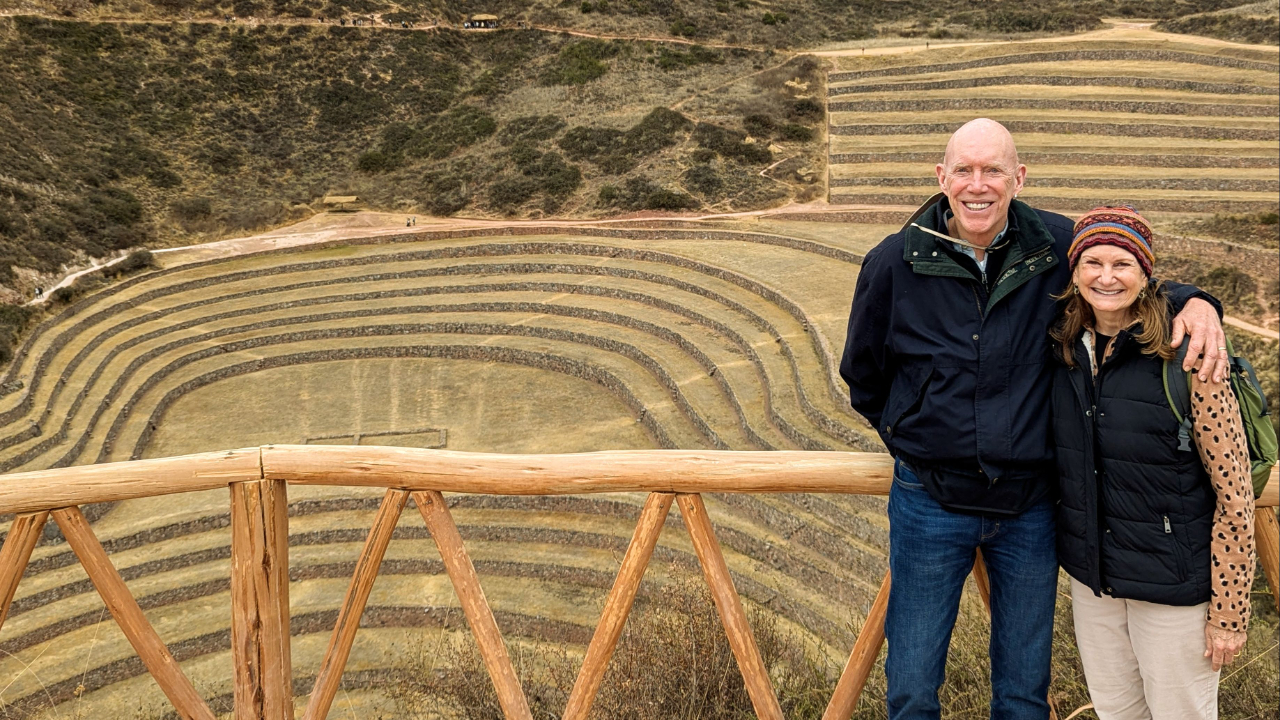
We were thinking maybe we had made a mistake scheduling a tour of the Sacred Valley outside of Cusco after our epic experience at Machu Picchu. Although it’s home to some of the most important architectural complexes of the Inca Empire, we wondered if it would be an anticlimactic disappointment?
Turns out we had nothing to worry about. Over the course of another long day in a van (once again in the last row 😕), we visited numerous sites featuring fascinating innovations by the Incas.
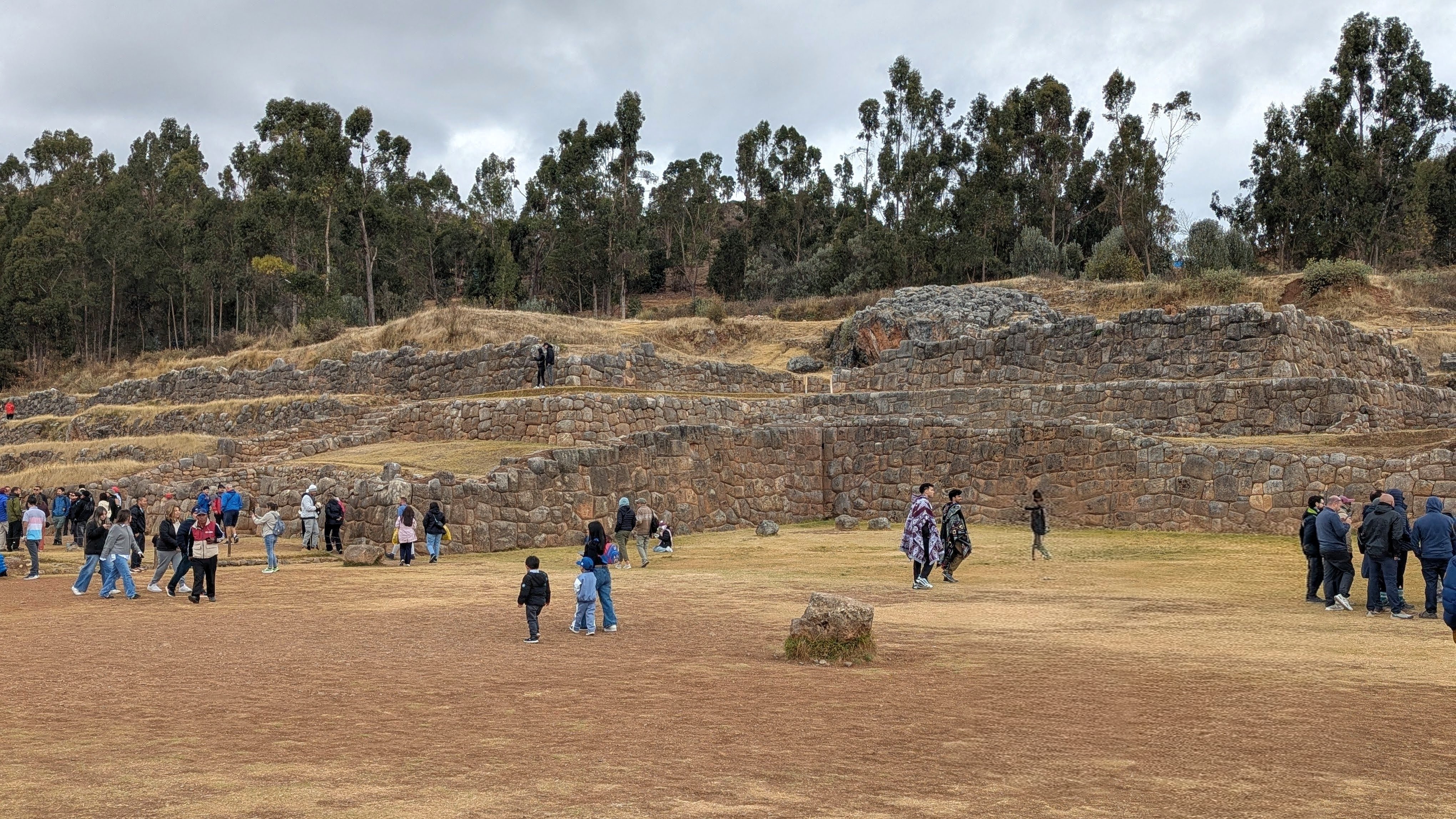
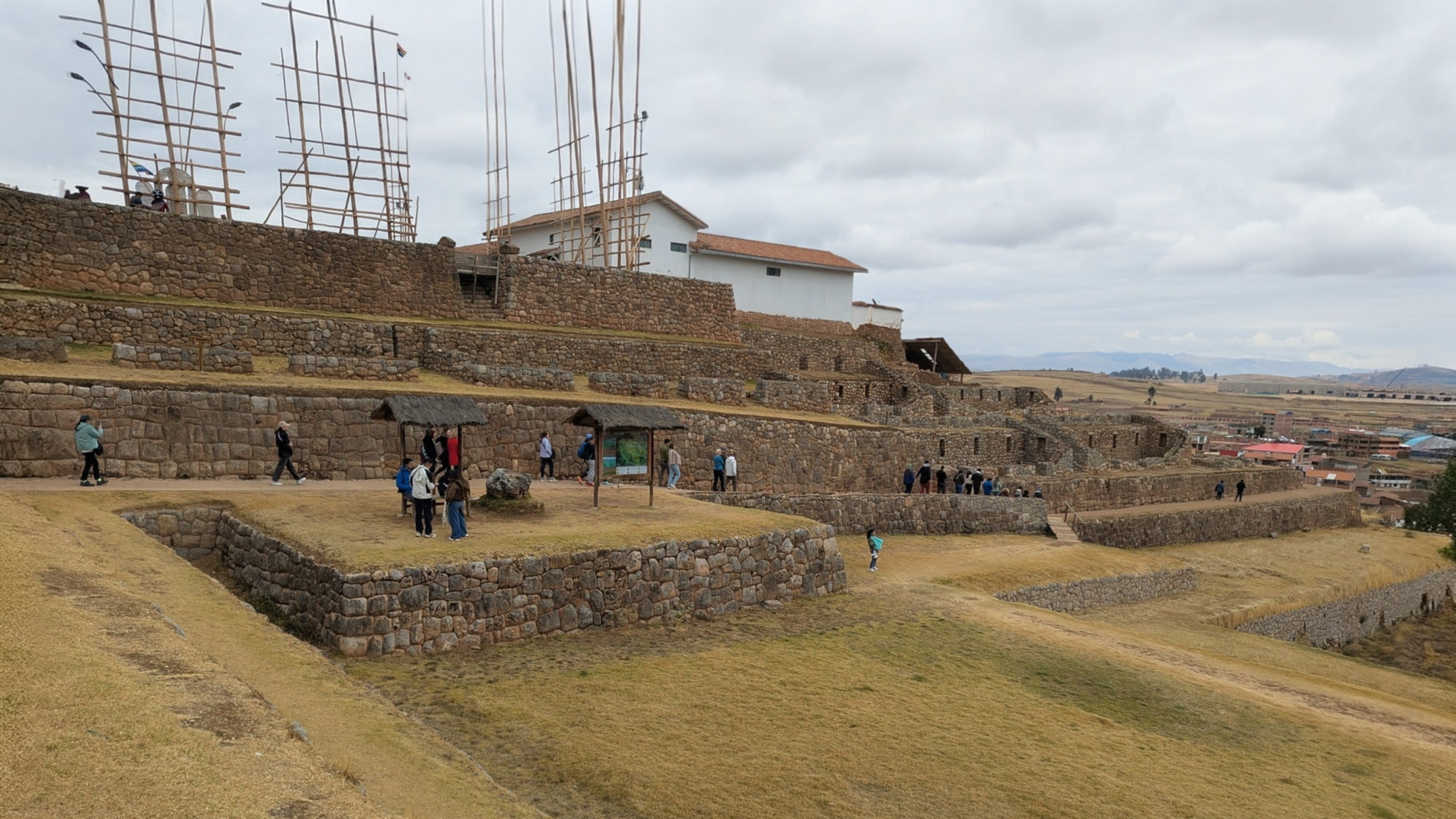
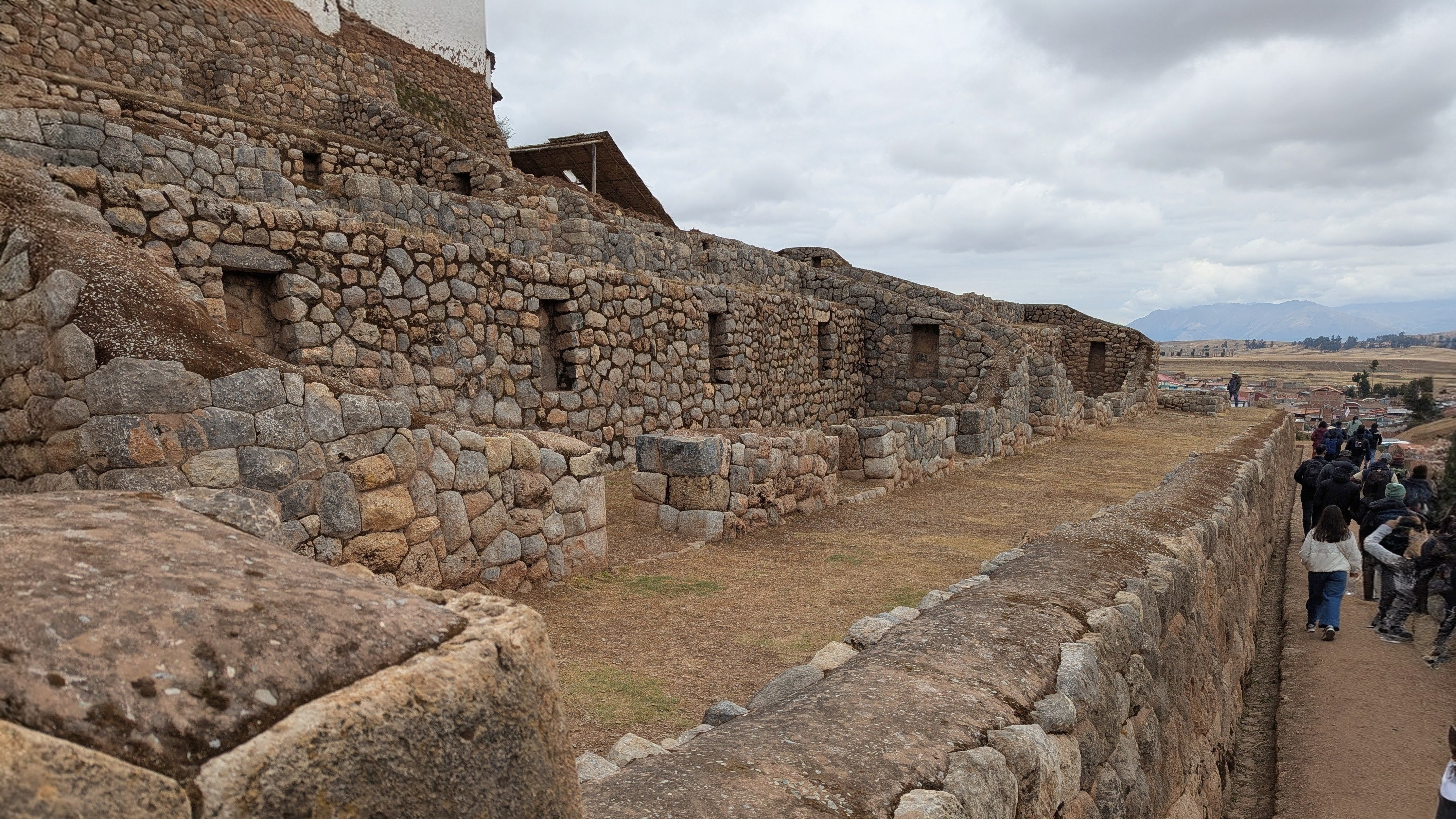
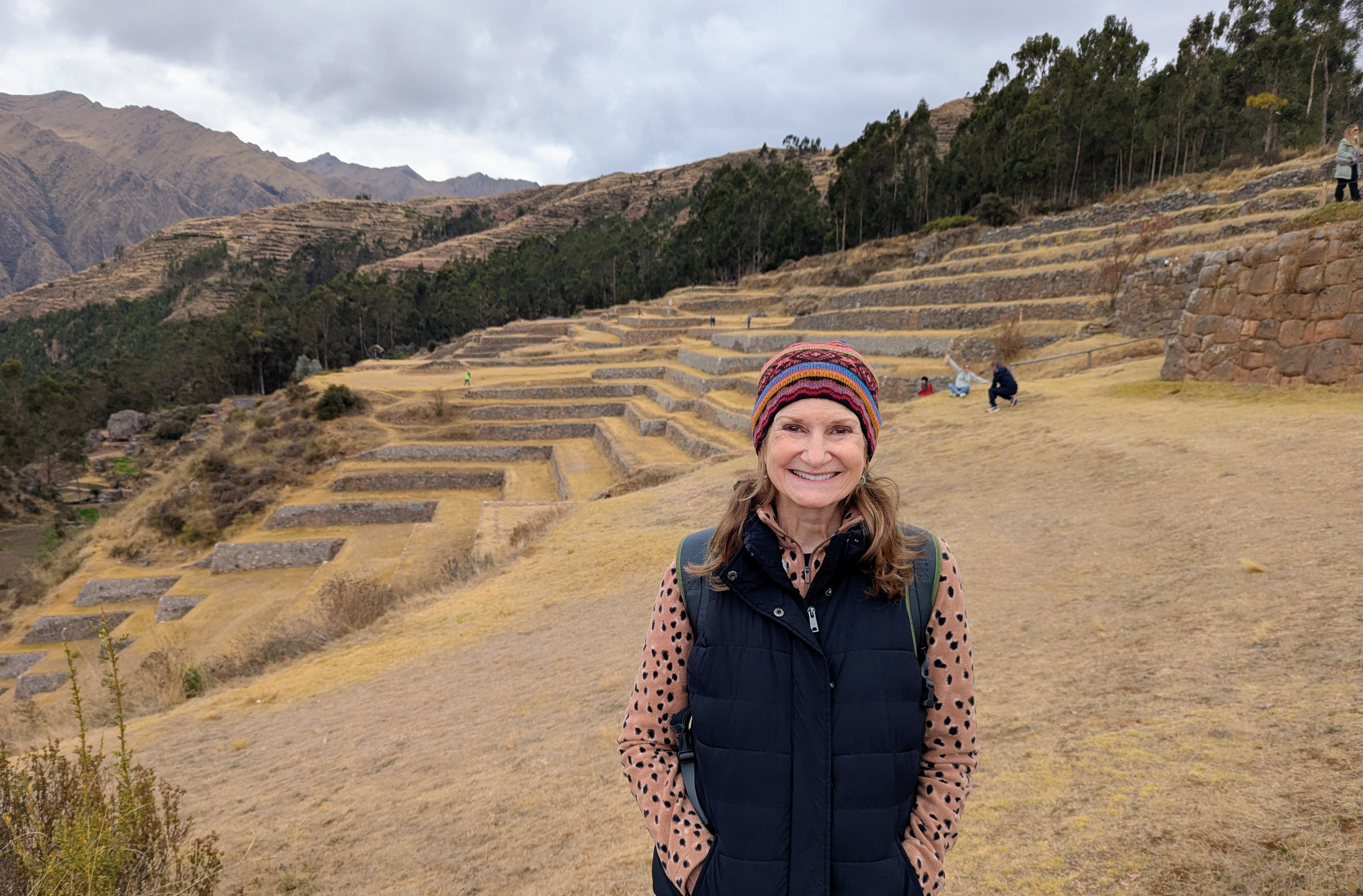
Our first stop was the ruins of Chinchero, a settlement that the Incas took over and expanded for use by the royal family before the Spanish arrived. The development is massive, covering over 100 acres, and highlights those terraces that seem to be everywhere in this part of the world.
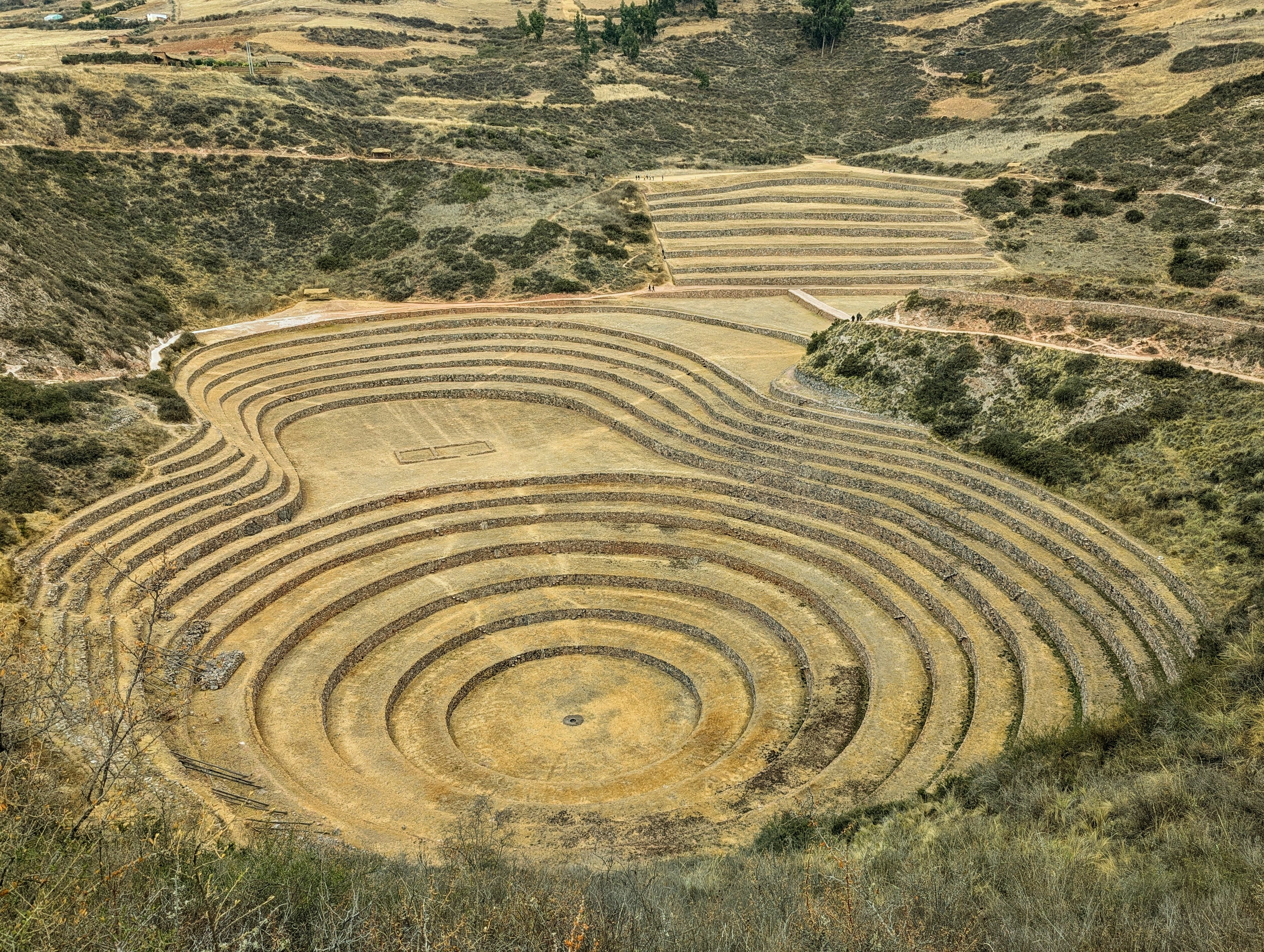
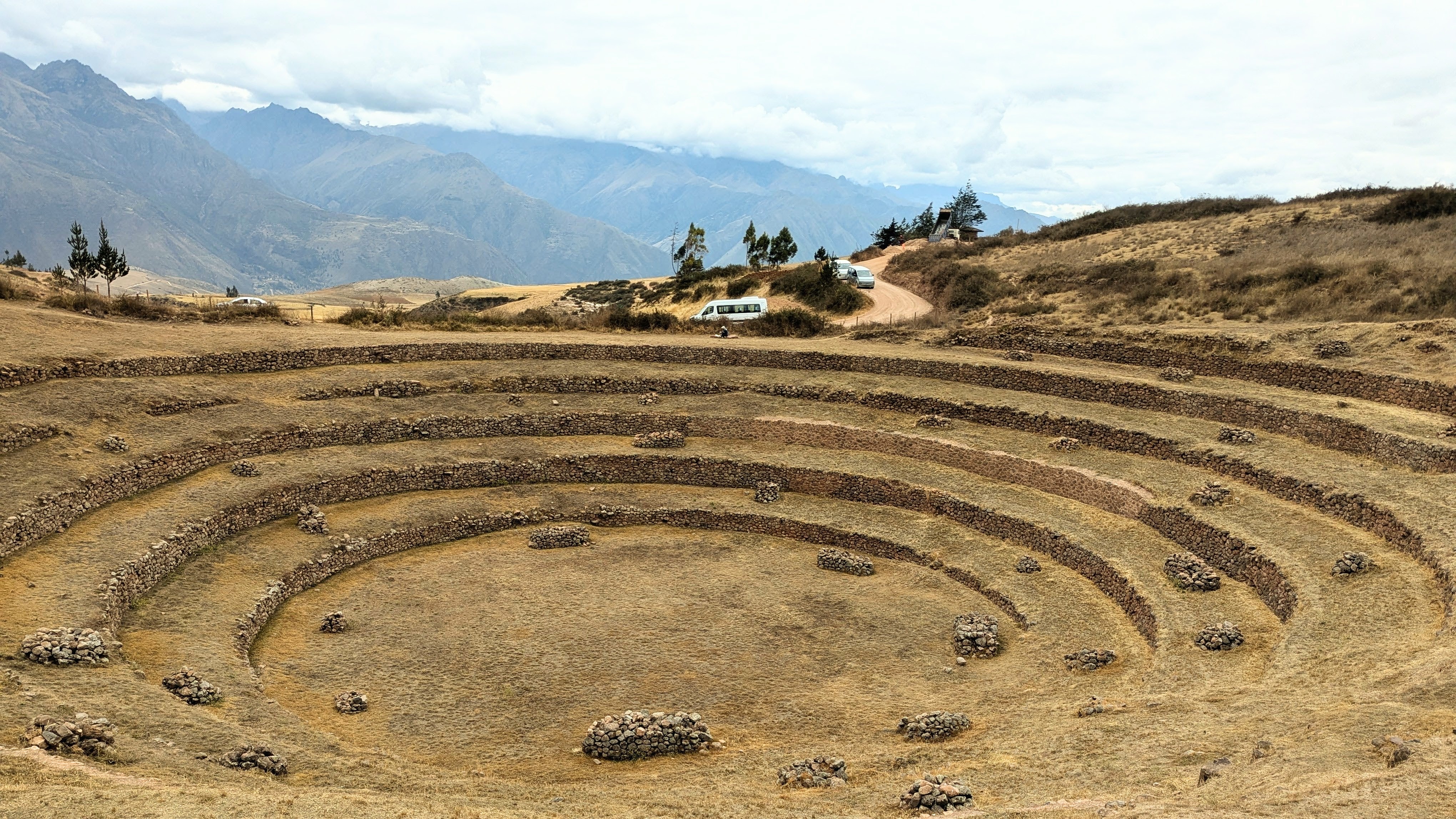
Speaking of terraces, what we saw at Moray, the second location on our tour, was a remarkable example of Incan ingenuity. These amphitheater-like circles were actually laboratories to help them determine which crops performed best in different microclimates.
Also, there is speculation that they were used to adapt plants to thrive at various altitudes, thus increasing the yield. Pretty advanced agricultural practices for a culture without evidence of a written language.
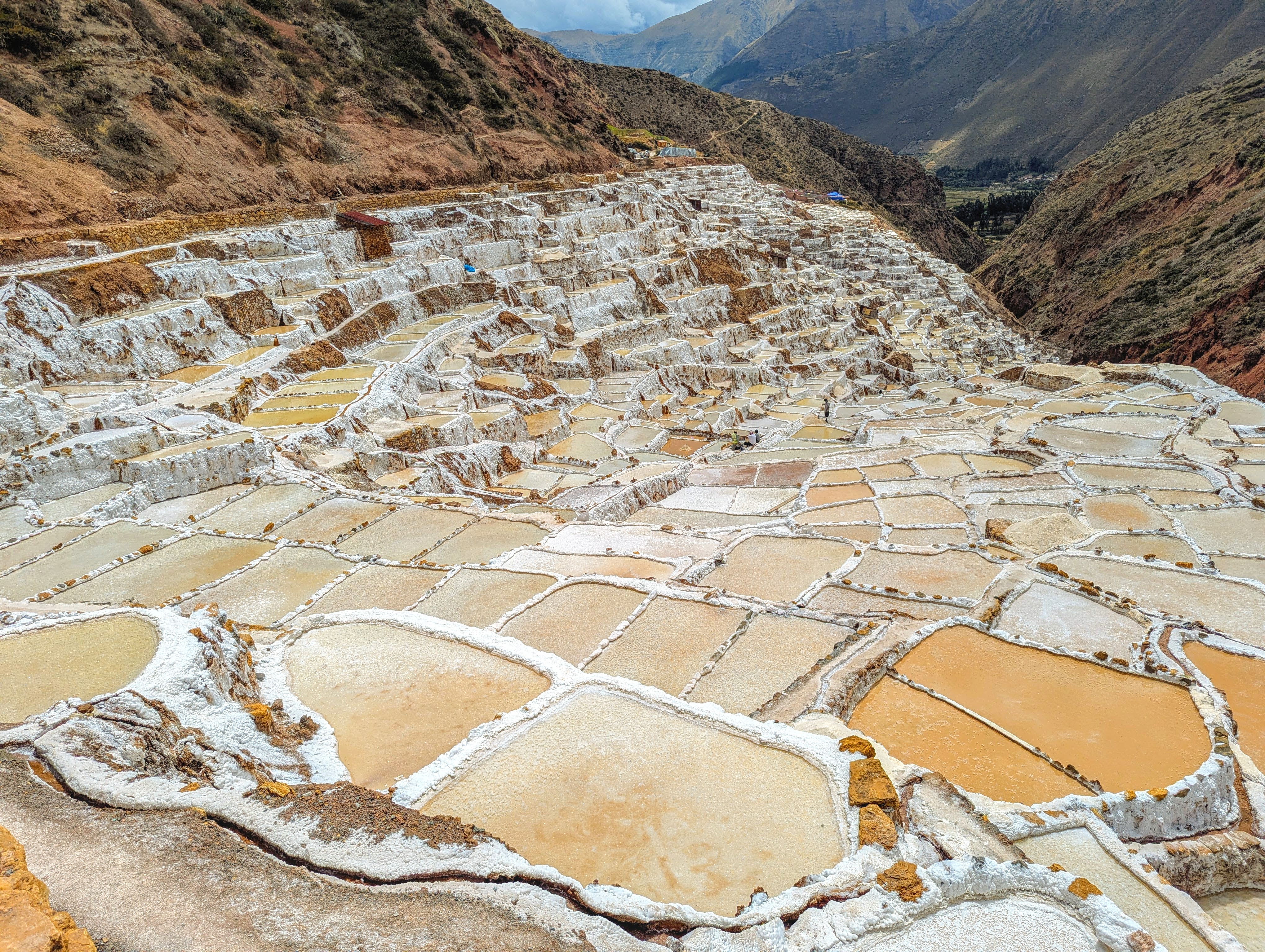
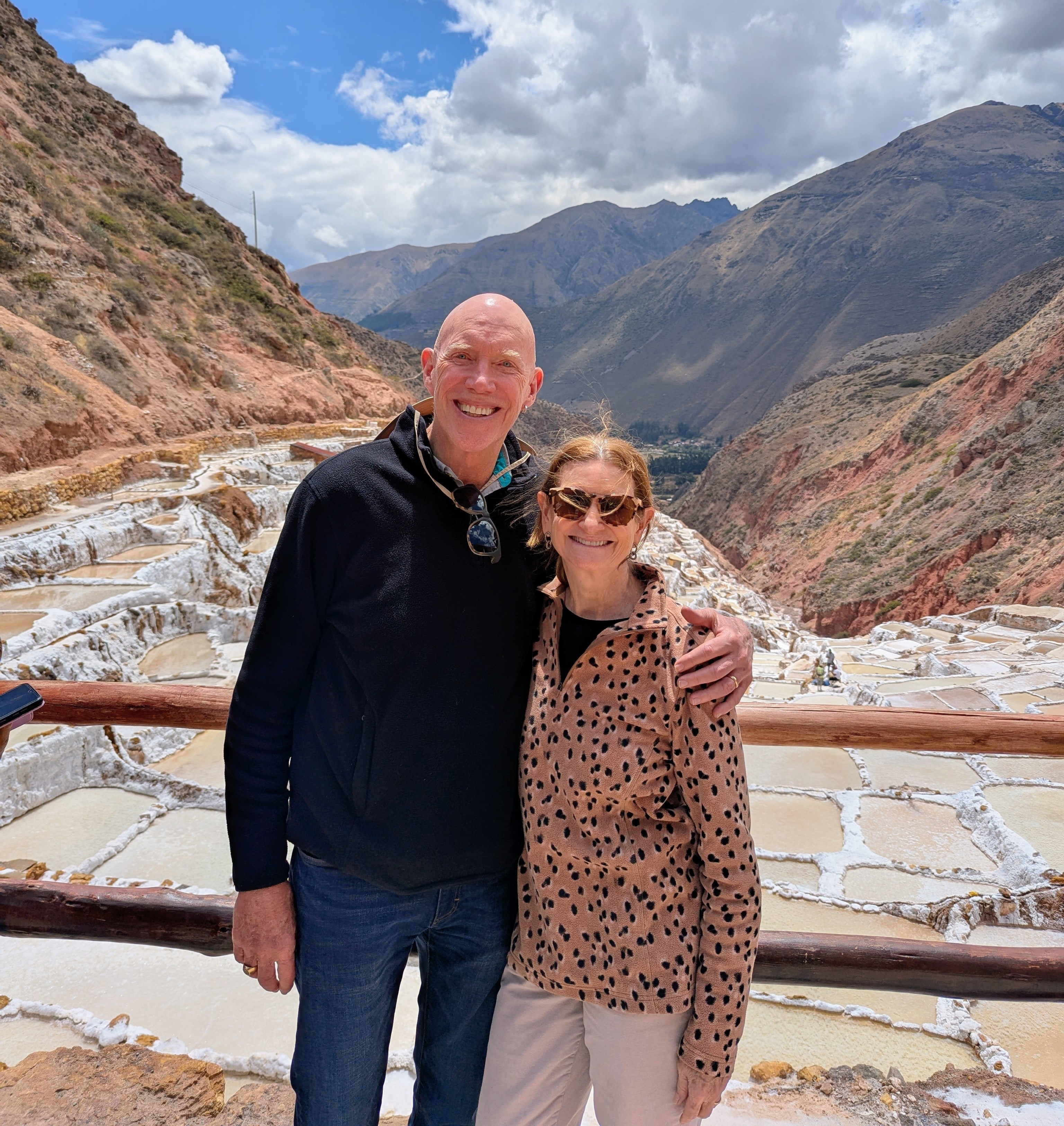
We couldn’t believe our eyes when we arrived at Salineras de Maras. What you’re seeing are more than 3,000 natural salt pools fed by an underground spring. The intense sun constantly evaporates the water, allowing the salt to be harvested.
Salt mining from these pools has a long history predating the Incas. Ownership has been passed down through many generations of local families who still manage them today. The highly-coveted pink salt used by gourmet chefs throughout the world is produced here.
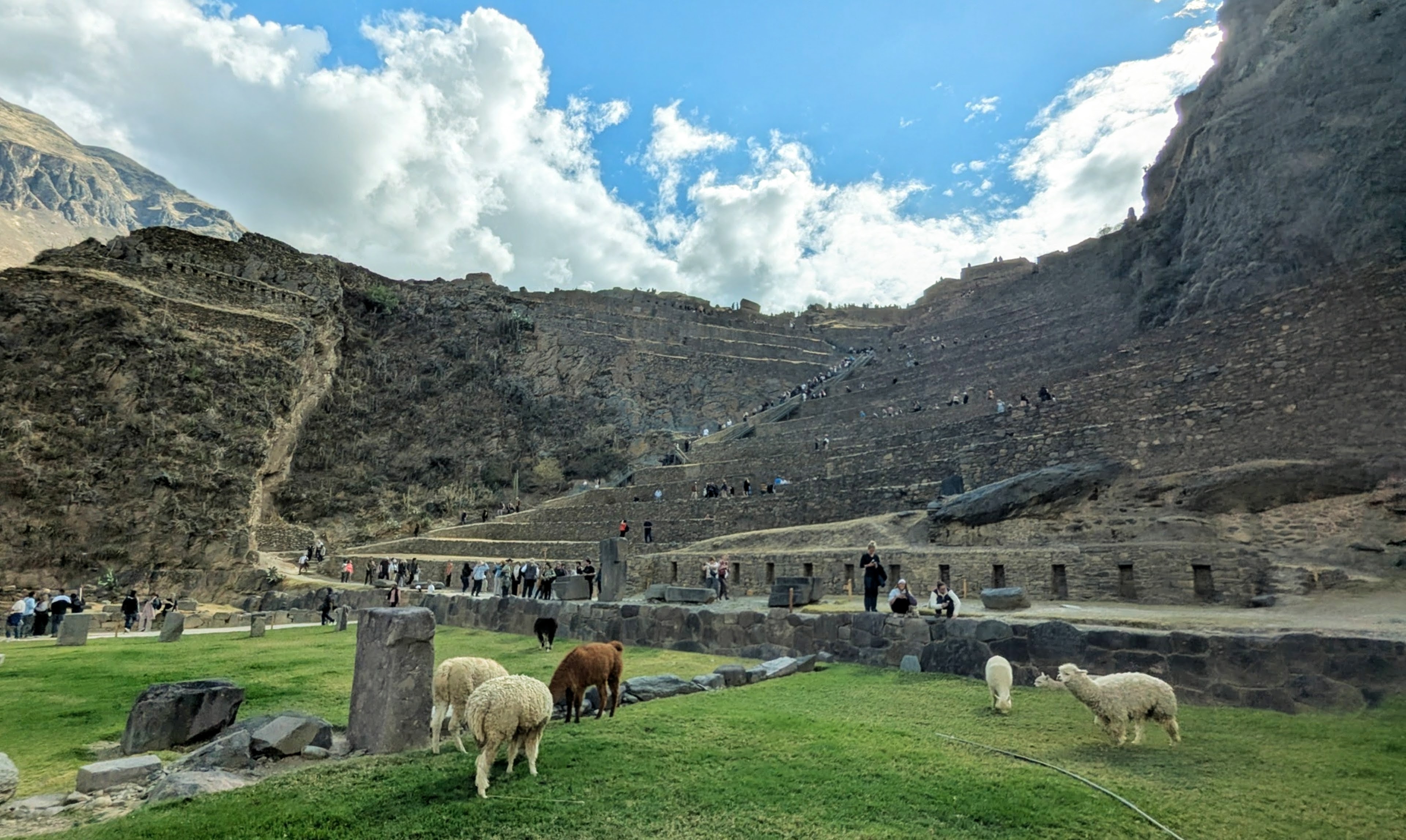
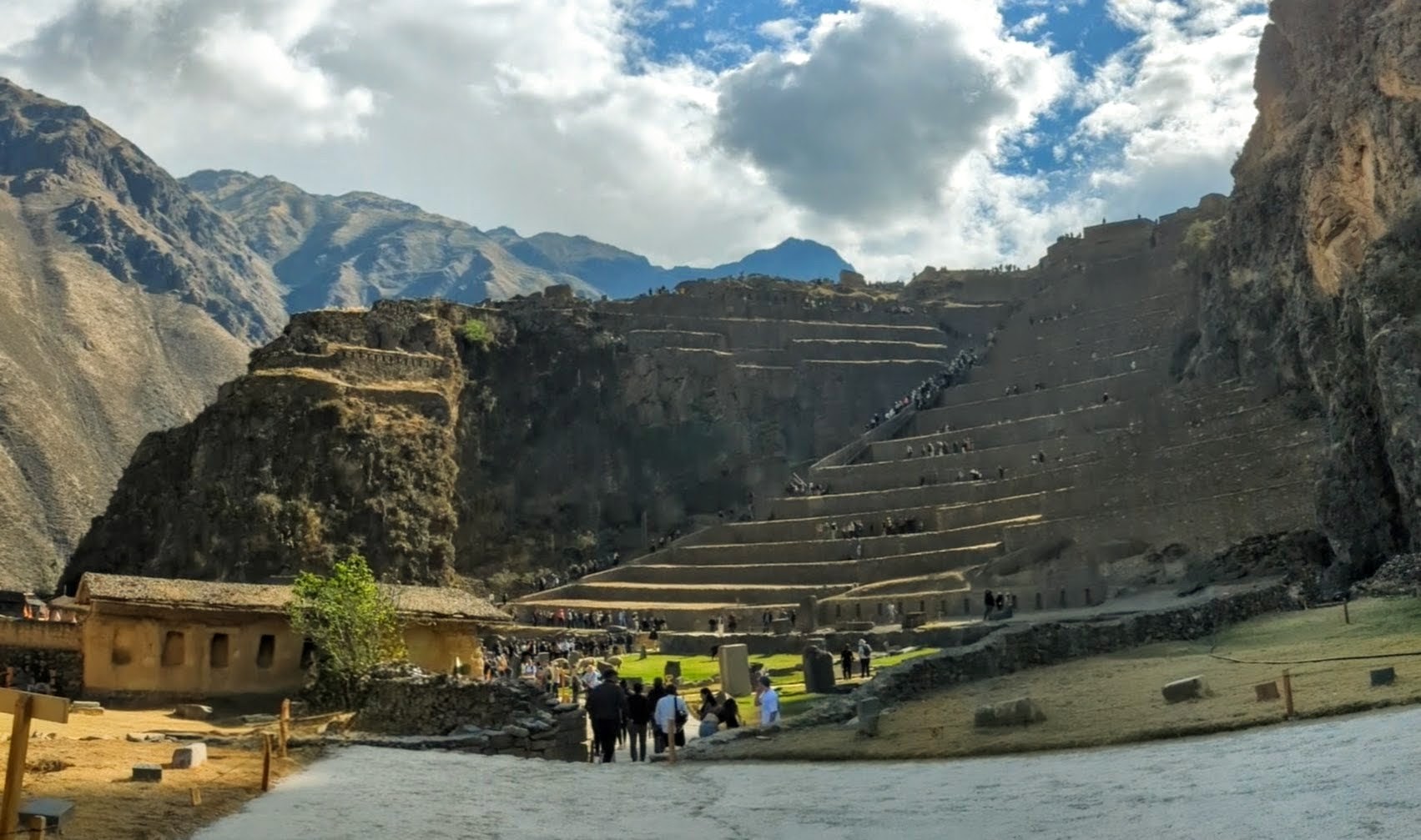
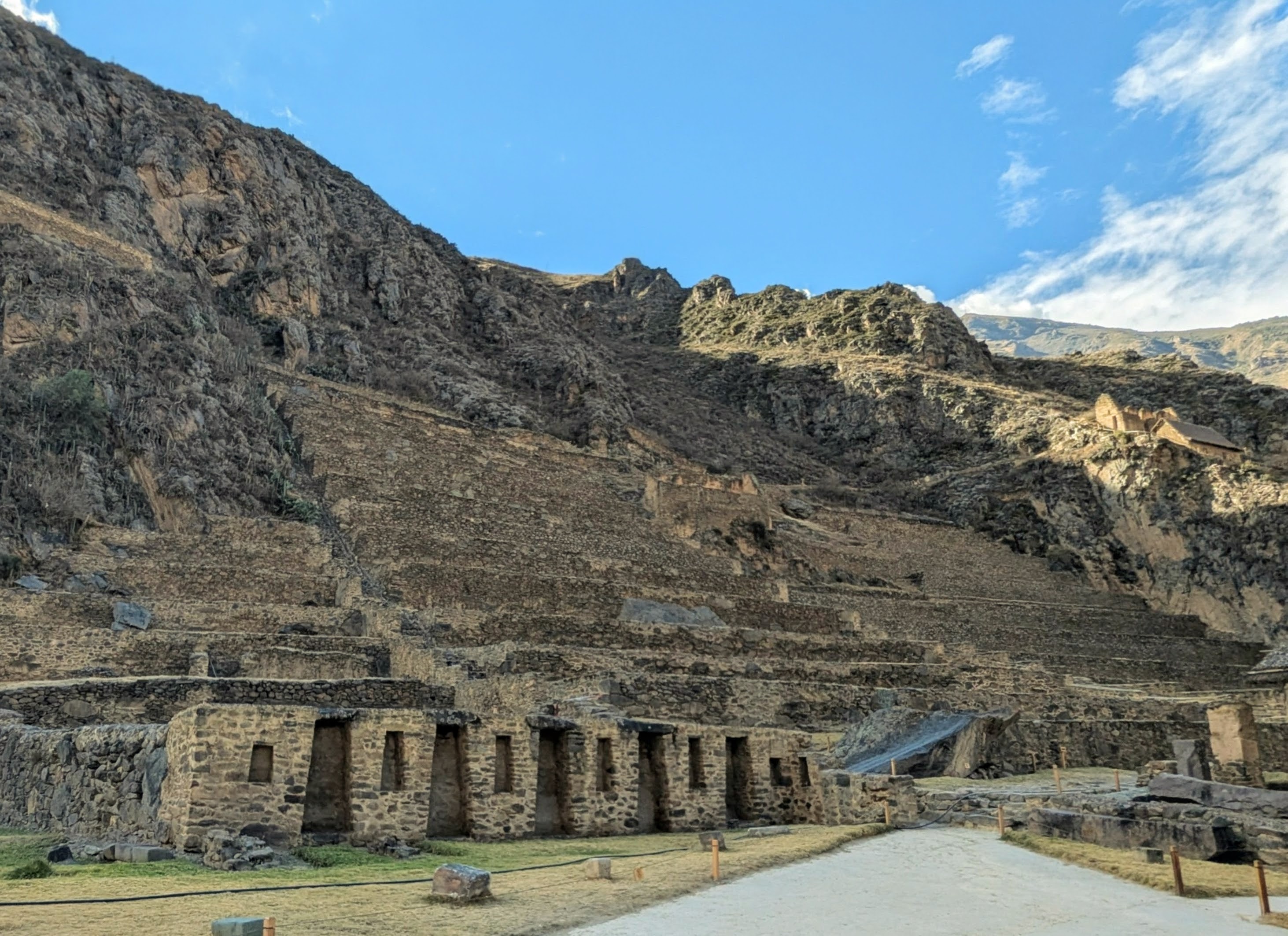
After a lunch break we proceeded to the Ollantaytambo Fortress. During the Inca Empire, this strategic location served as the royal estate of Emperor Pachacuti and later was an important stronghold for resistance to the Spanish.
The photos cannot capture how impressive the structure is and the vast area it occupies. For only being in charge around 250 years, we marvel at how industrious these people were. After all the walking we had done since we arrived in Peru, our guide’s invitation to climb to the top was graciously declined.
We were especially looking forward to seeing Pisac, another important ancient complex illustrating the advanced level of Incan engineering and the final stop on our tour. Billed as "Machu Picchu’s Twin Brother,” it was going to be interesting to compare the two archaeological sites.
Unfortunately, our guide’s time management skills turned out to be severely lacking. As we were arriving he announced, “As soon as the van stops, get out and run. Entrance closes at five o'clock and we only have a few minutes to get there.”
Run? Uphill at an altitude of 10,000 feet? Seriously?
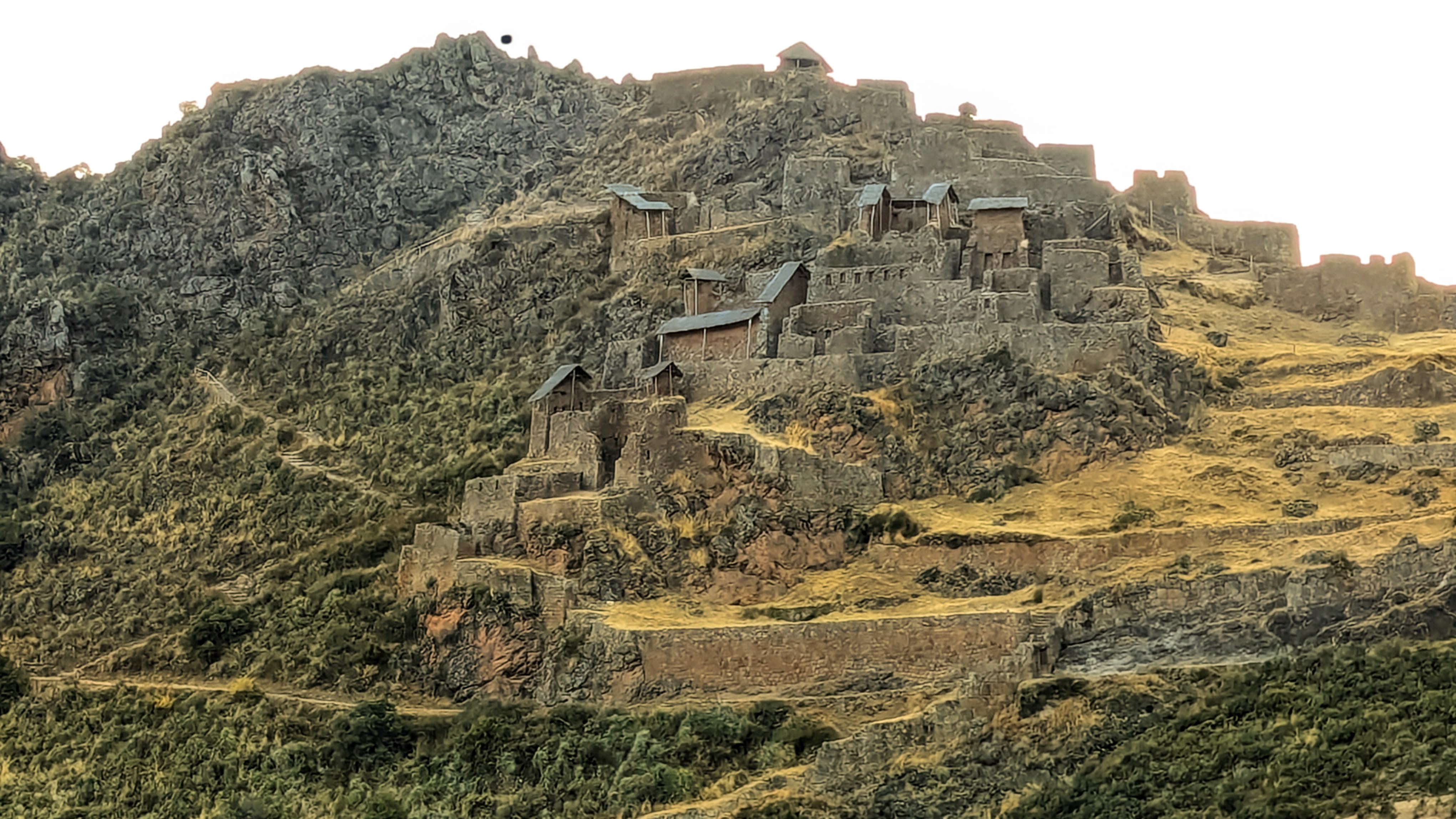
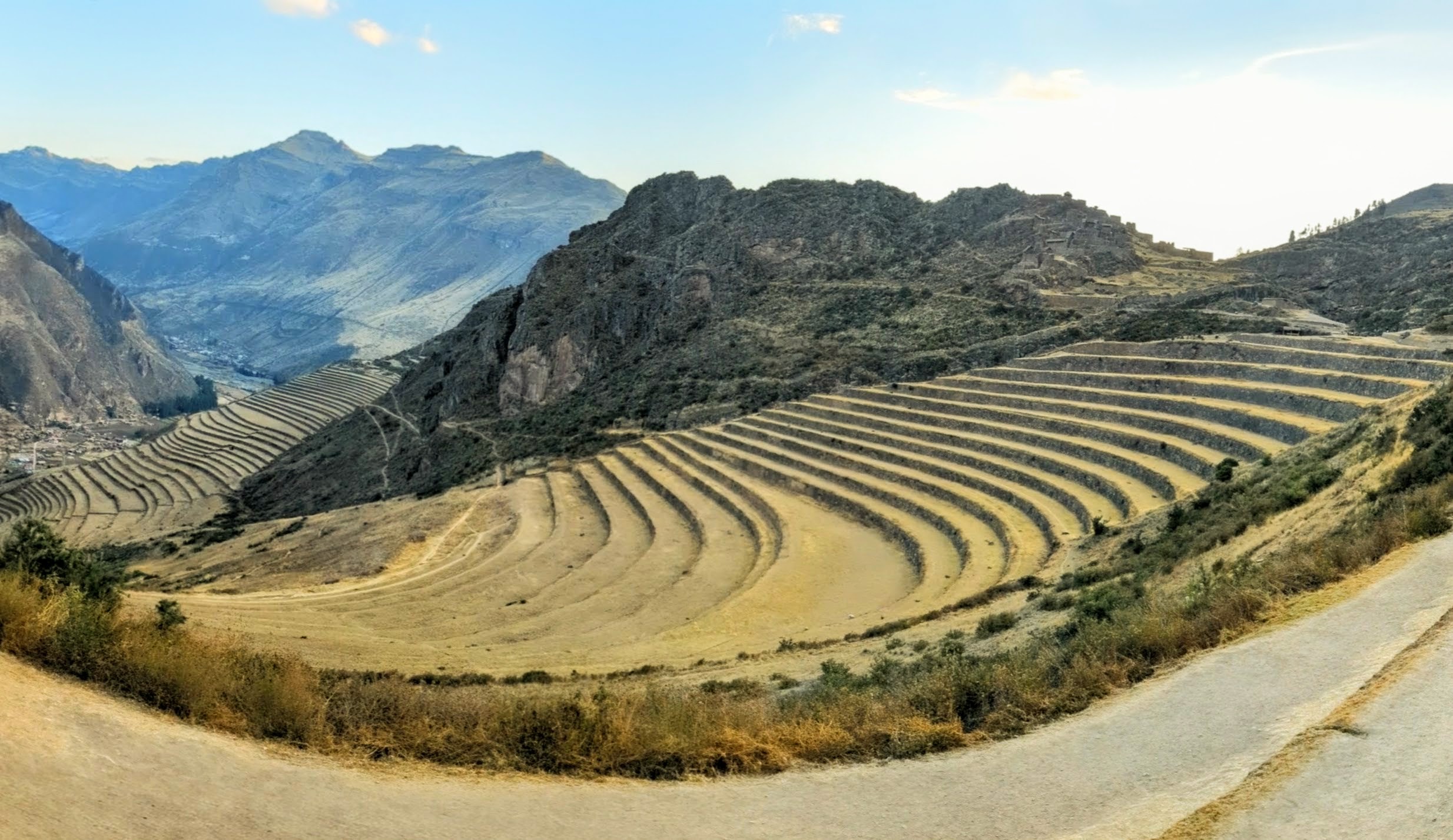
We did the best we could and miraculously made it in time, only to learn that we needed to have been there by 4:30 p.m. to go inside the ruins. So all we got to see were the terraces below.
Yeah, they were quite beautiful, but still…
On that somewhat disappointing note, our eight days in and around Cusco had come to an end. Time to move on to the “White City” of Arequipa for some much-needed R&R before a final excursion to Colca Canyon to soak in thermal hot springs, visit a place twice as deep as the Grand Canyon, and hopefully see majestic condors in flight.

Consultation Services
Are you considering the retirement option of moving abroad, and need help with the planning?
Maybe you're spending endless hours on the Internet and still can't find the answers to your personal situation.
Our affordable, custom consulting services would be a great solution!

Subscribe Now!
Get Our Latest News & Updates

Ready for some GOOD NEWS about your retirement? TAP the link below...

Connect with us on Social Media!
Follow / Share / Subscribe
Recent Posts
